March 9, 2026
Introduction
Regular oil changes are one of the most important maintenance tasks a vehicle owner can perform, yet they are also among the most frequently delayed. Engine oil plays a central role in protecting internal components, regulating temperature, and maintaining overall engine efficiency. When oil is changed on schedule, it supports smooth operation and reduces long-term mechanical stress. As modern engines become more refined and tightly engineered, the margin for neglect becomes smaller. Timely oil changes are no longer a recommendation rooted in tradition alone but a requirement driven by modern automotive design.
Professional oil change services help vehicle owners stay aligned with these evolving requirements by providing routine maintenance based on manufacturer specifications and driving conditions.
Oil functions much like a circulatory system within the engine, flowing continuously to lubricate, cool, and clean critical components. Over time, oil breaks down, collects contaminants, and loses its ability to perform these tasks effectively. Allowing degraded oil to remain in the engine increases friction, heat, and wear, all of which can shorten engine life. Understanding how oil works and why schedules matter provides clarity on why consistent maintenance protects both performance and long-term vehicle value.
The Function of Engine Oil
Engine oil serves multiple essential purposes within an internal combustion engine, beginning with lubrication. Metal components inside an engine operate at high speeds and under intense pressure. Without oil separating these parts, friction would increase dramatically, leading to overheating and rapid wear. A continuous oil film prevents direct metal-to-metal contact, allowing components such as pistons, crankshafts, and camshafts to move smoothly and efficiently.
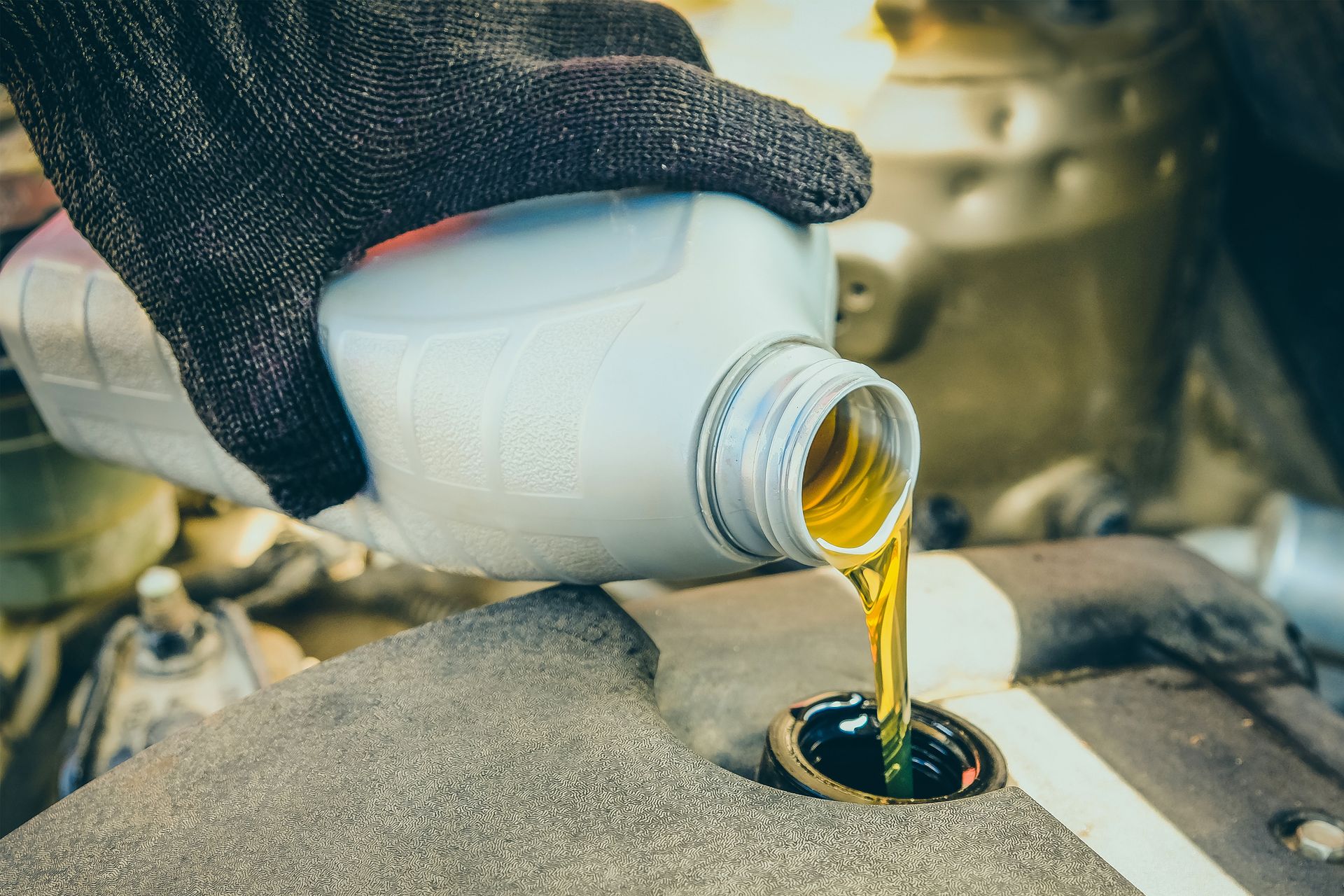
Routine oil change services replenish this protective barrier, allowing engines to operate as designed under daily driving demands.
Beyond lubrication, oil also plays a vital role in temperature regulation. As oil circulates through the engine, it absorbs heat generated by combustion and friction. This heat is then dispersed as the oil flows back into the pan or through the cooling system. Without this heat transfer, engines would struggle to maintain stable operating temperatures, particularly during extended driving or heavy loads.
Oil Degradation and Contamination
Over time, engine oil undergoes chemical and physical changes that reduce its effectiveness. Exposure to high temperatures causes oil molecules to break down, while combustion byproducts introduce contaminants such as soot, fuel residue, and moisture. These impurities thicken the oil and reduce its ability to flow freely through narrow engine passages. As contamination increases, oil loses its capacity to lubricate and cool effectively.
Reliable oil change services remove contaminated oil before these conditions escalate, restoring clean lubrication and proper circulation.
Sludge formation is one of the most damaging consequences of degraded oil. Sludge restricts oil flow, starving critical components of lubrication and increasing wear. In severe cases, sludge buildup can block oil passages entirely, leading to catastrophic engine failure. Regular oil changes remove contaminated oil before it reaches this stage, restoring clean lubrication and preventing long-term damage caused by accumulated deposits.
Recommended Oil Change Intervals
Vehicle manufacturers establish oil change intervals based on extensive testing and engine design specifications. These recommendations account for oil type, engine tolerances, and expected operating conditions. While older vehicles often required oil changes every 3,000 miles, many modern engines using synthetic oil can safely operate for longer intervals.
Scheduling oil change services according to manufacturer guidelines helps maintain consistency and avoids unnecessary engine strain.
Ignoring manufacturer guidelines increases the risk of oil breakdown occurring before replacement. Even high-quality oil has a finite service life, and exceeding recommended intervals accelerates wear and contamination. Following factory guidance helps maintain engine reliability, preserves warranty coverage, and supports optimal performance throughout the vehicle’s lifespan.
Driving Conditions and Oil Longevity
Driving habits significantly influence how quickly oil degrades. Frequent short trips prevent oil from reaching full operating temperature, allowing moisture and fuel to accumulate within the engine. Stop-and-go traffic increases engine strain, accelerating oil breakdown through repeated heating and cooling cycles.
In these conditions, timely oil change services play a key role in offsetting accelerated oil degradation.
Environmental factors also play a role. Extreme temperatures, dusty conditions, towing, and mountainous terrain all place additional stress on engine oil. In these situations, oil works harder to lubricate and cool components, reducing its effective lifespan.
Oil Viscosity and Engine Protection
Viscosity describes how easily oil flows at different temperatures and is a critical factor in engine protection. Oil that is too thick may struggle to circulate during cold starts, delaying lubrication to vital components. Oil that is too thin may fail to maintain a protective film under high heat or load.
Professional oil change services verify correct viscosity selection to support engine protection across varying temperatures.
Using oil with the correct viscosity supports consistent lubrication, stable oil pressure, and efficient heat dissipation. Deviating from recommended viscosity grades can increase wear, reduce fuel efficiency, and compromise engine performance.
Additives and Oil Performance
Modern engine oils contain carefully formulated additives designed to enhance performance and longevity. Detergents help keep internal surfaces clean by preventing deposit formation, while dispersants suspend contaminants until they are removed during an oil change.
Oil change services replace depleted additives, restoring the oil’s full protective capabilities.
Other additives improve oxidation resistance, prevent corrosion, and maintain viscosity over time. These components work together to extend oil life and protect engines under varying conditions.
Consequences of Delayed Oil Changes
Postponing oil changes exposes engines to increased friction, heat, and contamination. As oil loses its lubricating properties, internal components experience accelerated wear that can permanently reduce engine efficiency.
Delaying oil change services often leads to avoidable mechanical damage and higher repair costs.
Severe neglect can lead to sludge accumulation, oil starvation, and mechanical failure. Repairing damage caused by overdue oil changes often costs significantly more than routine maintenance.
Warning Signs of Oil-Related Issues
Engines often provide early indicators when oil quality declines. Unusual noises such as ticking or knocking may signal insufficient lubrication reaching moving components. Dark, gritty oil visible on the dipstick suggests contamination and degradation.
When these signs appear, immediate oil change services can help prevent further damage.
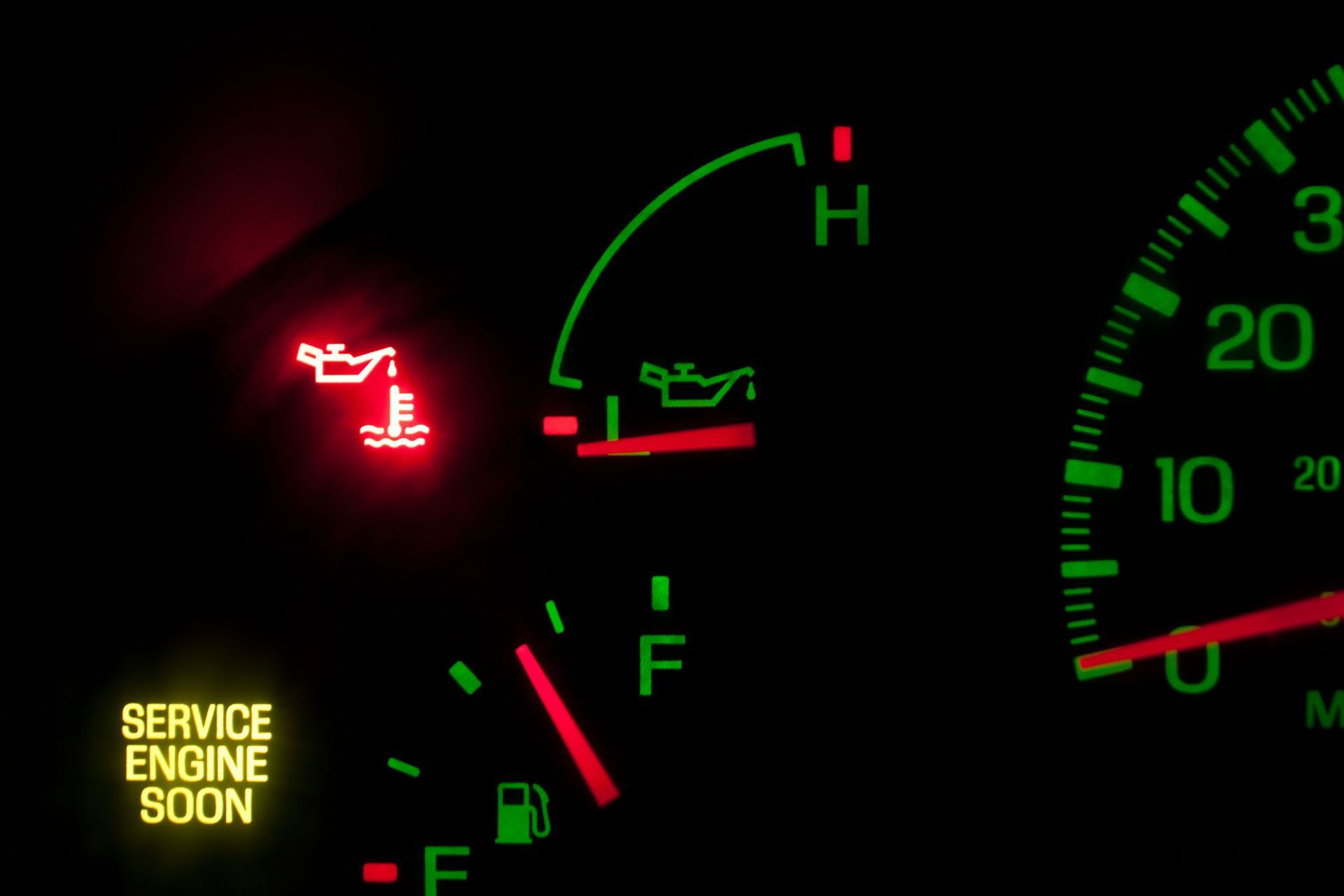
Dashboard warning lights should never be ignored, as they may indicate low oil pressure or insufficient oil levels.
Oil Changes and Fuel Efficiency
Clean oil reduces internal friction, allowing engines to operate more efficiently.
When oil degrades, increased resistance forces the engine to work harder to maintain performance, leading to higher fuel consumption.
Regular oil change services restore proper lubrication, supporting smoother operation and improved efficiency.
According to Statista, the U.S. oil change service generates about $10 billion USD annually, highlighting how routine oil maintenance remains one of the most widely relied upon automotive services nationwide.
Long-Term Engine Longevity
Engines maintained with consistent oil changes typically last longer and experience fewer major mechanical issues. Clean oil minimizes wear on critical components, preserving tolerances and performance over time.
Routine oil change services support long-term engine durability and reliability.
Timely oil changes remain one of the most effective ways to protect engine performance, reliability, and longevity. Engine oil supports lubrication, cooling, cleanliness, and efficiency, all of which degrade as oil ages.
By understanding how oil functions and responding to driving conditions, vehicle owners can make informed maintenance decisions that preserve performance and vehicle value over time.
Consistent oil maintenance also supports peace of mind for vehicle owners, reducing the likelihood of unexpected breakdowns or roadside emergencies. When oil is changed on schedule through dependable oil change services, engines operate more predictably and respond better to daily driving demands, whether commuting, traveling long distances, or hauling loads. This reliability allows drivers to focus on the road rather than potential mechanical concerns. Over time, disciplined oil care reinforces overall vehicle dependability, helping owners avoid unnecessary stress, protect their investment, and maintain confidence in their car’s ability to perform safely and efficiently in a wide range of driving conditions. Contact Jersey Shine & Lube today to get started.