June 1, 2026
Every vehicle depends on clean oil to keep its engine running smoothly, safely, and efficiently. While many drivers think of an oil change as a quick maintenance task, it plays a much bigger role in the overall health of a car, truck, or SUV. Engine oil moves through critical parts, reducing friction, carrying away heat, and helping prevent buildup that can interfere with performance. When oil becomes dirty, low, or worn out, the engine has to work harder than it should.
During an oil change, technicians may notice leaks, worn filters, fluid concerns, or early signs of issues that could become more expensive later. This simple service helps protect performance, improve reliability, and support a better driving experience. For busy drivers, staying consistent with oil care helps a vehicle remain ready for commutes, errands, road trips, and changing weather conditions.
Protecting Engine Parts
The engine contains many moving parts that operate at high speeds under intense pressure. Pistons, valves, bearings, and other components must move together with precision. Clean oil creates a protective layer between these parts, helping reduce direct metal-to-metal contact. Without that barrier, friction increases, parts wear down faster, and the engine may become more vulnerable to damage.
An oil change helps remove old oil that has collected dirt, debris, and microscopic metal particles. Over time, oil naturally breaks down and loses some of its ability to lubricate effectively. When this happens, the engine may feel rougher, louder, or less responsive. Replacing old oil with fresh oil allows the engine to move more freely and supports smoother operation.
This protection is especially important for vehicles used in stop-and-go traffic, short trips, or demanding driving conditions. Frequent starts and stops can place added stress on the engine, making routine care even more valuable. By scheduling an oil change before the oil becomes too dirty or depleted, drivers can help preserve the internal parts that keep their vehicle dependable.
Supporting Better Fuel Efficiency
Fuel efficiency depends on more than driving habits and tire pressure. Engine condition also plays a major role. When oil is clean and flowing properly, the engine does not have to work as hard to move its internal parts. Less friction can help support smoother performance and may allow the vehicle to use fuel more efficiently.
Old or thickened oil can create resistance inside the engine. When the oil no longer circulates as easily, the engine may need more energy to perform the same amount of work. This can gradually affect fuel economy, especially for drivers who spend a lot of time commuting, idling, or traveling in traffic.
An oil change is a simple way to help the engine operate as designed. It will not replace the need for other maintenance, but it can work alongside tire care, air filter replacement, and fluid checks to support better performance. For drivers trying to control everyday vehicle costs, consistent oil maintenance is one practical step that can contribute to improved efficiency over time.
Reducing Heat and Friction
Engines create significant heat every time a vehicle is running. While the cooling system handles much of that heat, oil also helps by reducing friction and carrying heat away from moving parts. When oil is fresh and at the correct level, it can move through the engine more effectively and help prevent certain components from becoming hotter than they should.
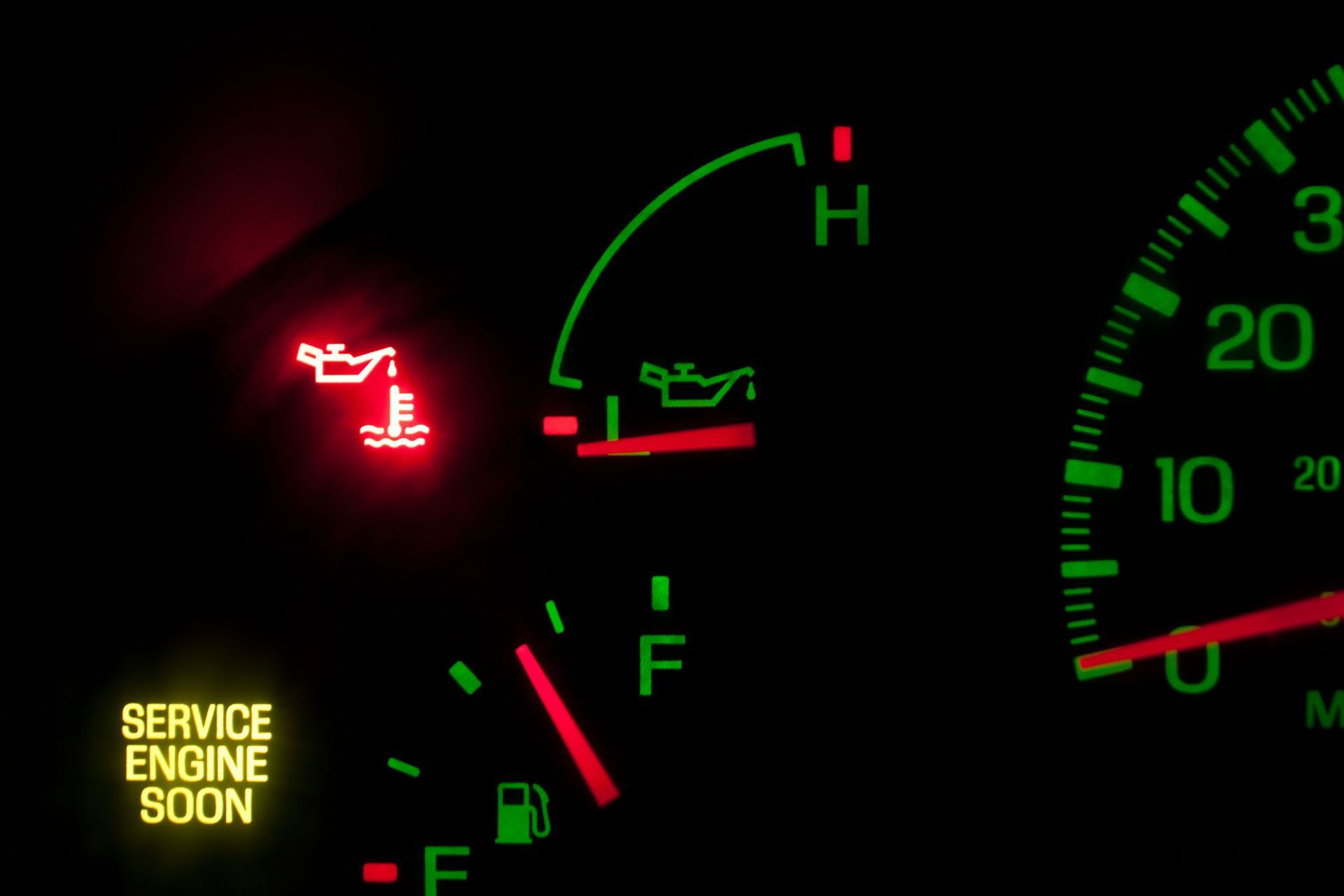
If oil becomes too old, dirty, or low, it may not manage friction as well. Increased friction can create additional heat, which may put stress on engine parts and affect performance. Drivers might notice ticking sounds, burning smells, lower responsiveness, or dashboard warning lights when oil-related problems become more serious.
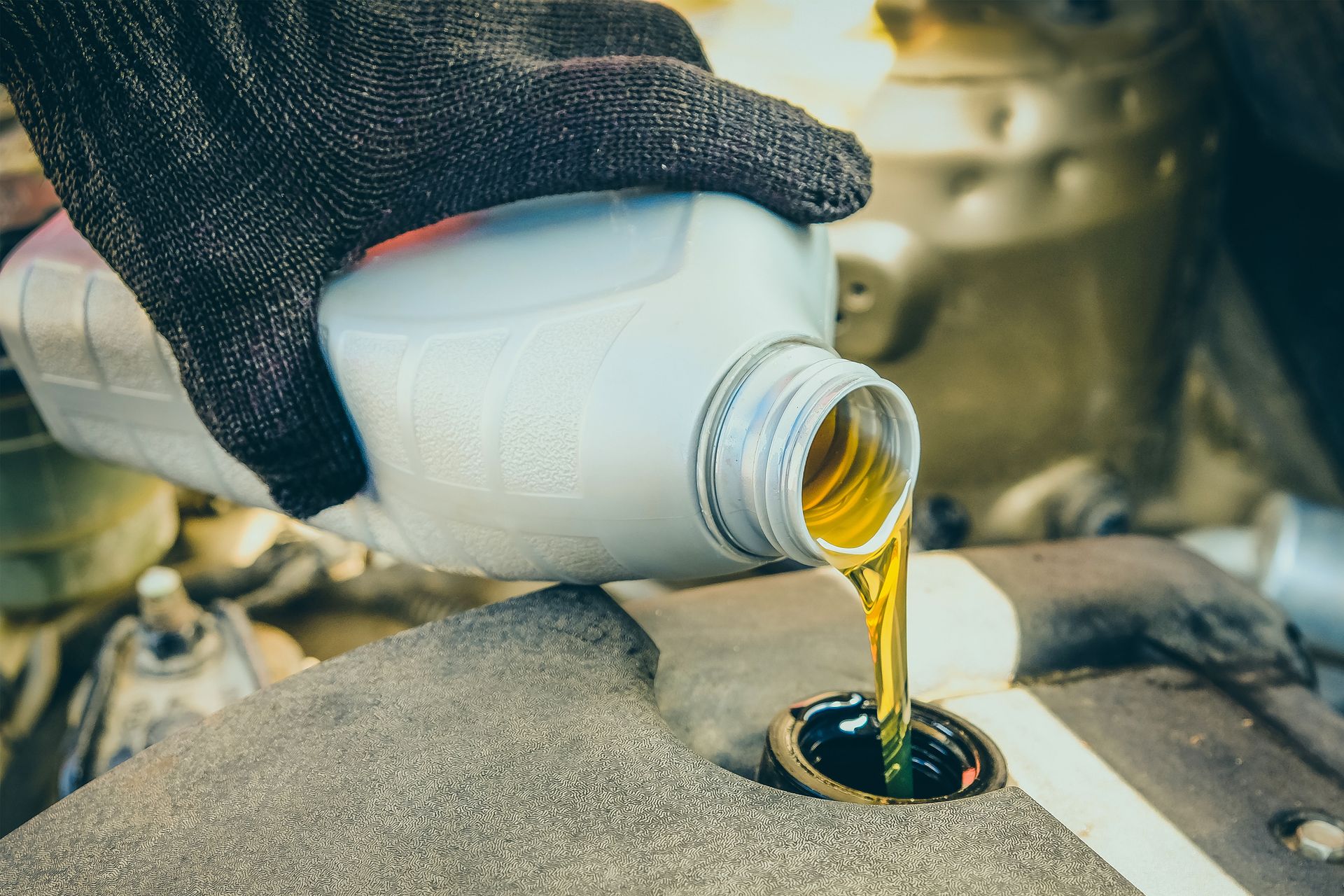
Routine oil change service helps reduce these risks by keeping the engine supplied with cleaner oil and a fresh filter. The filter is important because it captures contaminants that could otherwise continue circulating through the engine. Replacing both the oil and filter helps the system work more efficiently, giving the engine better support during daily use.
Extending Vehicle Lifespan
Many drivers want to keep their vehicles running for as long as possible, especially when replacing a vehicle can be expensive. Consistent maintenance is one of the most effective ways to support that goal. A regular oil change helps reduce unnecessary wear, which can protect the engine throughout years of use.
Small maintenance steps often make a meaningful difference over time. Skipping oil service may not cause immediate failure, but repeated delays can allow sludge, debris, and heat-related stress to build up. These conditions may shorten the life of engine parts and contribute to larger mechanical issues.
According to Consumer Reports, the old recommendation to change your oil every 3,000 miles or three months no longer applies, as many newer vehicles can go up to 10,000 miles or 12 months between services. That does not mean every vehicle should wait that long, but it does show why drivers should follow the guidance for their specific make, model, oil type, and driving habits. A thoughtful oil change schedule helps balance modern vehicle capability with responsible care.
Following Manufacturer Guidance
Every vehicle has its own recommended maintenance schedule. Factors such as engine design, oil type, mileage, driving conditions, and age can affect how often service is needed. The owner’s manual is often the best place to start because it explains the manufacturer’s recommended oil type and service interval.
Some vehicles also include oil life monitoring systems that track driving patterns and estimate when service is due. These systems can be helpful, but they should not replace common sense. Drivers who tow, drive in dusty areas, make frequent short trips, or sit in traffic may need more attentive maintenance than someone who mainly takes longer highway drives.
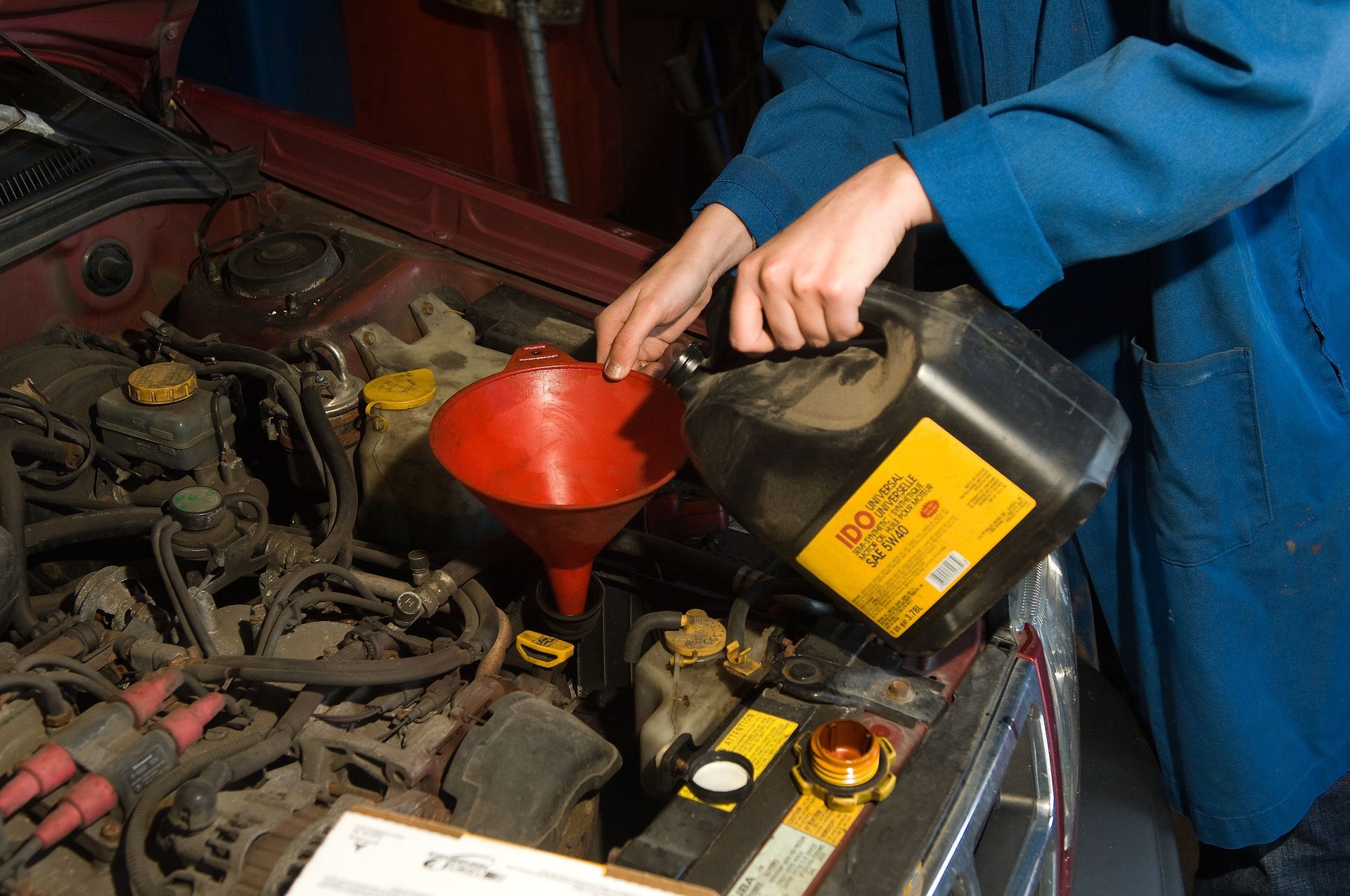
A professional oil change can also help drivers avoid using the wrong oil. Modern engines are often designed for specific oil weights and formulations. Using the correct oil supports lubrication, efficiency, and performance. When technicians complete this service, they can help ensure the vehicle receives oil that matches its requirements, reducing the risk of preventable problems.
Preventing Costly Repairs
One of the biggest benefits of regular vehicle maintenance is catching minor concerns before they grow. An oil change appointment gives technicians a chance to look over parts of the vehicle that drivers may not inspect on their own. While the main purpose is replacing oil and the filter, the visit may also reveal leaks, worn belts, fluid issues, or other concerns that deserve attention.
Preventive care is usually easier to manage than emergency repairs. Engine repairs can be expensive, especially when damage occurs because oil was too low, too dirty, or neglected for too long. Staying on schedule helps drivers reduce the chance of severe wear and may help them avoid unexpected breakdowns.
Regular service also builds a helpful maintenance record. This can be useful for resale value and for understanding the vehicle’s history. When oil change records show consistent care, they suggest the driver made an effort to maintain engine health. For many owners, this record offers peace of mind and supports better long-term planning.
Routine oil care is one of the simplest ways to protect vehicle performance. It supports lubrication, heat control, fuel efficiency, engine lifespan, and early problem detection. By following the right schedule for their vehicle, drivers can help reduce wear and keep their car prepared for daily demands. Call Jersey Shine & Lube today to schedule your oil change or auto service.