April 14, 2026
Regular vehicle maintenance plays a major role in how well your car performs over time, and one of the most important aspects of that maintenance is scheduling an oil change service at the right intervals. Engine oil keeps internal components lubricated, reduces friction, and helps regulate temperature while your vehicle is running. When oil begins to break down or becomes contaminated, it can no longer perform these functions effectively, which may lead to reduced performance or even long-term damage. Paying attention to early warning signs allows drivers to address issues before they escalate into costly repairs or unexpected breakdowns.
Many drivers overlook the subtle indicators that their vehicle needs attention, especially when daily routines become busy. However, recognizing changes in sound, performance, and visual cues can make a significant difference in how long your engine lasts. According to Reader's Digest, most vehicles will require an oil change after every 5 thousand miles. However, some cars may only need full synthetic oil changes after 7.5 thousand to 10 thousand miles. This variation highlights the importance of understanding your specific vehicle's needs rather than relying on a one-size-fits-all schedule. Staying aware of these signs helps maintain performance, fuel efficiency, and overall driving confidence.
Identifying Unusual Engine Noise
Engines are designed to run with a relatively smooth and consistent sound, so any unusual noise often signals that something is not functioning as it should. One of the most common indicators is a rattling sound coming from under the hood. This noise typically occurs when oil levels are low or when the oil has lost its ability to properly lubricate moving parts. Without adequate lubrication, metal components begin to rub together, creating friction that results in noticeable rattling. Addressing this issue with a timely oil change service can prevent premature wear on engine parts.
Another sound to listen for is knocking or tapping, which may become more noticeable as the engine warms up. This type of noise often develops when oil becomes too dirty or thick to circulate effectively. As a result, certain parts of the engine may not receive proper lubrication, leading to irregular movement and sound. Ignoring these noises can allow minor issues to develop into more serious mechanical concerns. Taking action early by scheduling an oil change service helps restore proper lubrication and keeps the engine operating smoothly.
An overall increase in engine volume is another sign that should not be ignored. If your car seems louder than usual during acceleration or idle, it may be due to the oil losing its effectiveness over time. Fresh oil acts as a cushion between moving parts, reducing noise and vibration. When that cushion diminishes, the engine has to work harder, creating more sound. Addressing this change promptly can help maintain a quieter and more efficient driving experience.
Monitoring Dashboard Warning Indicators
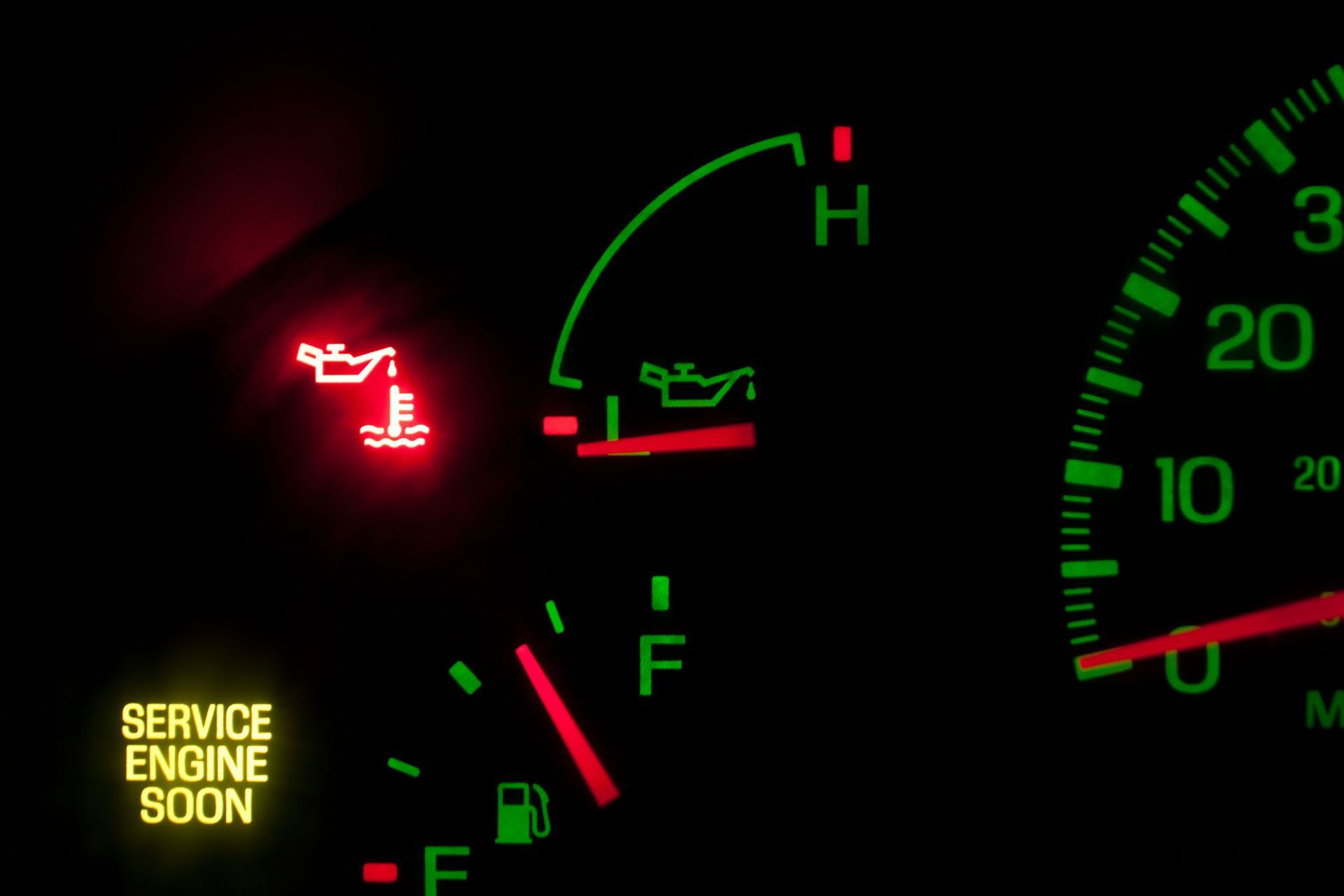
Modern vehicles are equipped with dashboard warning lights designed to alert drivers to potential issues, including those related to oil. A steady check engine light can appear for various reasons, but one common cause is overdue maintenance. While it may not always point directly to oil, it often indicates that the engine is not operating at peak condition. Taking this signal seriously and scheduling an oil change service can help resolve underlying issues before they worsen.
Many vehicles also include a dedicated oil change indicator that tracks mileage and driving conditions. This system provides a helpful reminder when it's time for maintenance, taking the guesswork out of scheduling service. Ignoring this notification can place unnecessary strain on the engine, as old oil continues to circulate without providing adequate protection. Responding promptly to this alert helps maintain consistent performance and reduces the likelihood of mechanical problems.
A flashing check engine light represents a more urgent concern and should be addressed immediately. This type of warning often indicates a more serious issue, such as extremely low oil levels or poor oil quality. Continuing to drive under these conditions can lead to significant engine damage. Seeking professional assistance and arranging an oil change service right away can help prevent further complications and restore proper function.
Observing Oil Appearance and Texture
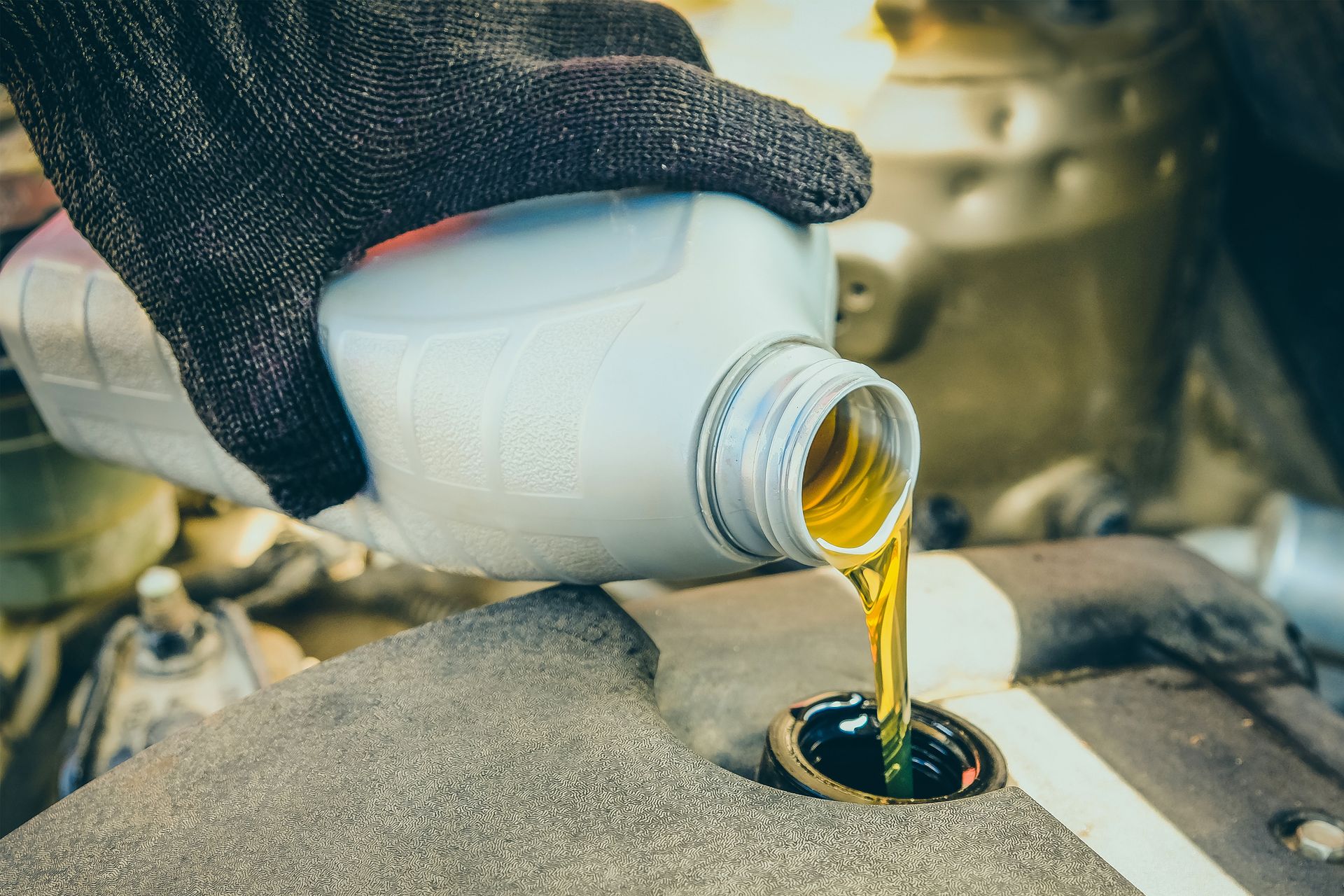
Checking the condition of your engine oil is a simple yet effective way to determine whether maintenance is needed. Clean oil typically appears amber and slightly translucent, indicating that it is still capable of performing its job. Over time, however, oil collects dirt, debris, and by-products from combustion, causing it to darken. When oil appears thick and dirty, it can no longer provide adequate lubrication, making an oil change service necessary.
In addition to color, texture plays an important role in assessing oil quality. If the oil feels gritty when rubbed between your fingers, it likely contains contaminants that can damage engine components. This abrasive quality increases friction within the engine, accelerating wear and reducing efficiency. Regular inspections can help identify these changes early, allowing for timely maintenance before damage occurs.
Noticing Changes in Fuel Efficiency
A car's fuel efficiency is closely tied to engine performance, and changes in mileage can often signal underlying issues with oil quality. If you find yourself stopping for gas more frequently than usual, it may be due to increased engine friction caused by old or degraded oil. When the engine has to work harder to perform basic functions, it consumes more fuel. Scheduling an oil change service can help restore efficiency and reduce fuel costs over time.
A sudden drop in miles per gallon is another clear indicator that something is not right. Dirty oil creates resistance within the engine, making it less efficient in converting fuel into energy. This inefficiency not only affects your wallet but also places additional stress on engine components. Keeping up with regular maintenance helps maintain optimal fuel economy and overall performance.
Watching for Visible Exhaust Changes
Exhaust emissions can reveal a great deal about your vehicle's internal condition. Blue smoke coming from the tailpipe is often a sign that oil is being burned within the engine. This issue may result from worn components or degraded oil that is no longer functioning properly. Taking immediate action with an oil change service can help address the problem and prevent further damage.
Gray or black smoke may indicate a different type of issue, often related to fuel combustion. While not always directly caused by oil, poor oil quality can contribute to inefficient engine operation, which may lead to these emissions. Identifying the root cause through inspection and maintenance helps restore normal performance and reduces environmental impact.
Recognizing the signs that your vehicle needs maintenance can make a significant difference in its performance, longevity, and overall reliability. From unusual engine noises to changes in fuel efficiency and visible exhaust emissions, each indicator provides valuable insight into the condition of your engine oil. Addressing these signs promptly helps prevent minor concerns from developing into more serious mechanical issues. Staying consistent with maintenance not only protects your investment but also supports a smoother and more enjoyable driving experience.
Taking a proactive approach to vehicle care means paying attention to both obvious and subtle changes in how your car operates. Scheduling an oil change service at the right time helps maintain proper lubrication, regulate temperature, and support efficient performance. If you've noticed any of the warning signs discussed above, now is the time to take action. Contact a local professional today at Jersey Shine & Lube to schedule your next
oil change service and keep your vehicle running at its best for the miles ahead.