October 29, 2026
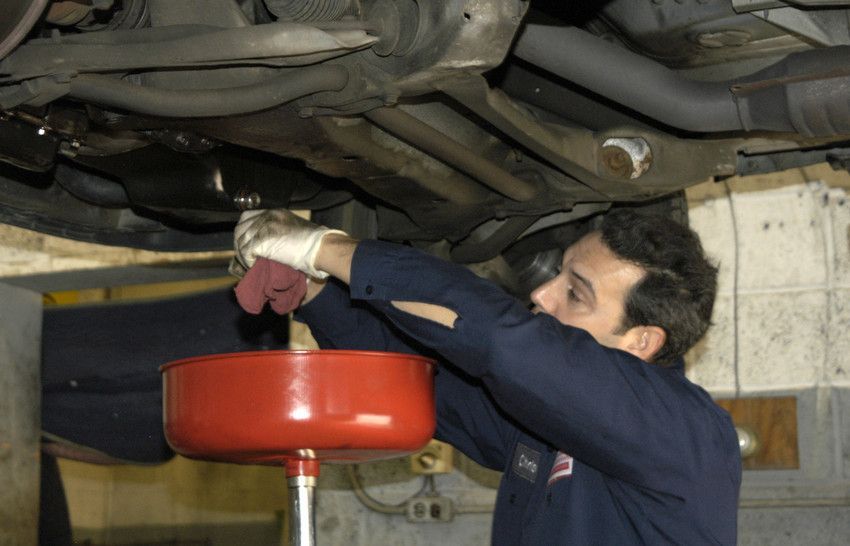
Motor oil plays an essential role in keeping your vehicle's engine running smoothly. It lubricates moving components, helps manage heat, and carries away contaminants that accumulate during normal operation. Over time, however, oil can break down, become contaminated, and lose some of its ability to protect engine parts. Following an appropriate maintenance schedule helps preserve engine performance and supports long-term vehicle reliability.
Knowing when to schedule oil change services depends on several factors, including your vehicle's make and model, the type of oil it uses, your driving habits, and the conditions in which you travel. A driver who frequently navigates stop-and-go traffic may need a different maintenance schedule than someone who primarily drives longer highway routes.
Your owner's manual provides the manufacturer's recommended maintenance intervals, making it a useful starting point for planning routine service. Many newer vehicles also have oil-life monitoring systems that estimate when an oil change is needed based on driving conditions and engine operation.
Regular maintenance can help you address normal engine wear before it contributes to more serious problems. By understanding how mileage, time, weather, and driving conditions affect motor oil, you can make informed decisions about when to schedule your next appointment.
Following Your Vehicle's Recommended Maintenance Schedule
There is no single oil change interval that works for every vehicle. Recommendations vary according to engine design, oil specifications, model year, and manufacturer guidance. Some vehicles require more frequent changes, while others can safely travel longer distances between services when the correct oil is used.
Older vehicles may have different maintenance requirements from newer models. Likewise, an engine designed for conventional oil may have different recommendations from one that requires a specific synthetic formulation. Using oil that meets the manufacturer's specifications is important because viscosity and performance standards affect how well the lubricant protects engine components.
Your vehicle's maintenance schedule may list different intervals for normal and severe driving conditions. Severe service does not necessarily mean driving in extreme circumstances. Frequent short trips, extended idling, heavy traffic, towing, and repeated driving in very hot or cold weather may all place additional demands on engine oil.
If your vehicle has an oil-life monitoring system, pay attention to its alerts and follow the instructions in the owner's manual. The system can provide a useful estimate, but the recommended maintenance schedule and appropriate oil specifications remain important.
A qualified automotive service professional can help you interpret your vehicle's requirements if you are unsure which interval applies. Following the correct schedule can reduce unnecessary maintenance while helping protect your engine from avoidable wear. Scheduling regular oil change services with a qualified provider can also help you stay on track with your vehicle's maintenance requirements.
Considering Both Mileage and Time
Mileage is one of the most familiar ways to determine when an oil change is due, but it is not the only consideration. Motor oil ages while your vehicle is being driven and can also deteriorate during periods when the car sits unused. For that reason, a vehicle with relatively low annual mileage may still need regular oil changes.
According to Consumer Reports, drivers who travel only about 6,000 miles annually should still consider changing their motor oil twice a year to help prevent degradation. This guidance illustrates why maintenance schedules should account for elapsed time as well as distance traveled. The precise interval for your vehicle should still follow the manufacturer's recommendations.
Short trips can be especially demanding because the engine may not run long enough to reach its normal operating temperature. Under some conditions, moisture and fuel contaminants can accumulate in the oil rather than being adequately reduced during extended operation. Repeated cold starts can also increase engine wear compared with driving patterns that allow the engine to warm up fully.
If you drive infrequently, avoid assuming that low mileage means maintenance can be postponed indefinitely. Check the service schedule for both mileage-based and time-based requirements. Keeping track of the last oil change date can help you plan ahead, even when your odometer barely moves between appointments.
A consistent maintenance routine is particularly helpful for households with multiple vehicles or cars used primarily for occasional errands. Recording service dates and following the manufacturer's guidance can help keep each vehicle on an appropriate schedule. Regular oil change services can help drivers account for both elapsed time and mileage when planning vehicle care.
Adjusting Maintenance for New Jersey Driving Conditions
Driving conditions across New Jersey can influence how often your vehicle needs maintenance. Commuters traveling through busy corridors may spend considerable time in stop-and-go traffic, while drivers in urban areas may make frequent short trips with repeated stops. These patterns can place different demands on an engine than steady highway driving.
Seasonal weather is another consideration. Winter temperatures can make cold starts more demanding, particularly when a vehicle remains parked outdoors overnight. During warmer months, heavy traffic, extended idling, and high temperatures can also contribute to challenging operating conditions.
Drivers who travel along the New Jersey Turnpike, Garden State Parkway, or other major routes may accumulate highway mileage quickly. Highway driving at a steady speed can be less demanding than repeated short trips in some respects, but towing, heavy loads, extreme temperatures, and other factors can change the maintenance requirements.
If your regular routine includes short commutes, frequent errands, or long periods of idling, check whether the manufacturer classifies those conditions as severe service. Your service provider can help you determine whether the standard maintenance interval is appropriate for your driving habits.
Preparing for seasonal changes is also a practical way to stay ahead of routine vehicle care. Scheduling maintenance before a busy travel period or the onset of colder weather can help you avoid delaying necessary service when your schedule becomes crowded. Booking oil change services before winter or an extended road trip can help you plan around your driving needs and recommended maintenance intervals.
Recognizing the Signs That an Oil Change May Be Due
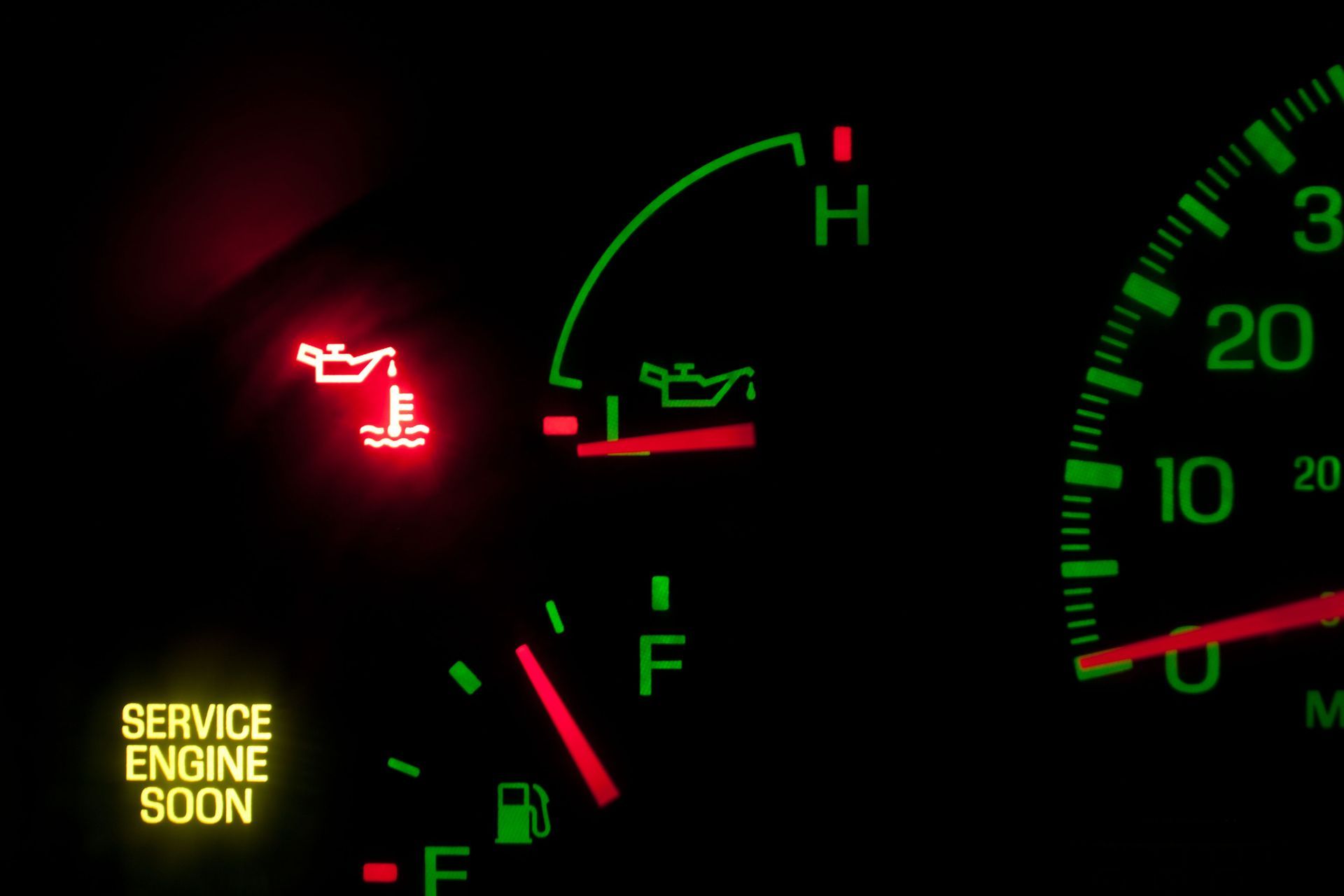
Although a maintenance schedule is the best starting point, your vehicle may also display signs that warrant attention. An oil warning light, an oil-life monitor alert, or an unexpected change in engine behavior should not be ignored. These indicators can have different causes, so professional evaluation may be necessary to determine the appropriate response.
Unusual engine noise can sometimes indicate inadequate lubrication or another mechanical issue. A persistent burning smell, visible oil leakage, or signs of overheating also deserve prompt attention. These symptoms do not automatically mean the oil is overdue for replacement, but they can signal a problem that needs to be assessed.
Oil color alone is not a reliable way to determine whether service is required. Motor oil naturally darkens as it circulates through the engine and collects contaminants. Instead of relying on appearance alone, use the manufacturer's service intervals and any relevant vehicle alerts.
It is also important to distinguish an oil change reminder from an oil pressure warning. An oil-life message generally indicates that scheduled maintenance is approaching or due. An oil pressure warning can indicate a more urgent problem that may threaten engine operation. Follow the instructions in your owner's manual and seek professional assistance promptly when a warning indicates a potentially serious issue.
Addressing unusual symptoms early can help identify maintenance needs before they become more disruptive. When something seems different about your vehicle's operation, a professional assessment can provide clarity and help determine the next appropriate step. If your vehicle is due for oil change services, contact Jersey Shine & Lube today to schedule an appointment and keep your engine properly maintained.